

In the ever-evolving world of skincare, finding effective solutions for specific skin concerns can feel overwhelming. This article focuses on Korean face masks and innovative skincare ingredients that have gained traction as powerful tools for achieving healthier, glowing skin. Whether you struggle with dryness,acne,or the early signs of aging,understanding how to incorporate these masks and ingredients into your routine can enhance your overall skin health.
By examining Korean face masks and the latest ingredients shaping the industry, readers will learn practical tips for selecting masks tailored to their skin type, incorporating them into their regimen, and reaping the benefits of cutting-edge skincare trends. With this knowledge, you can make informed choices to achieve your desired skin goals.
Table of Contents
Korean Face Masks: The Secret to Glowing Skin in 2026
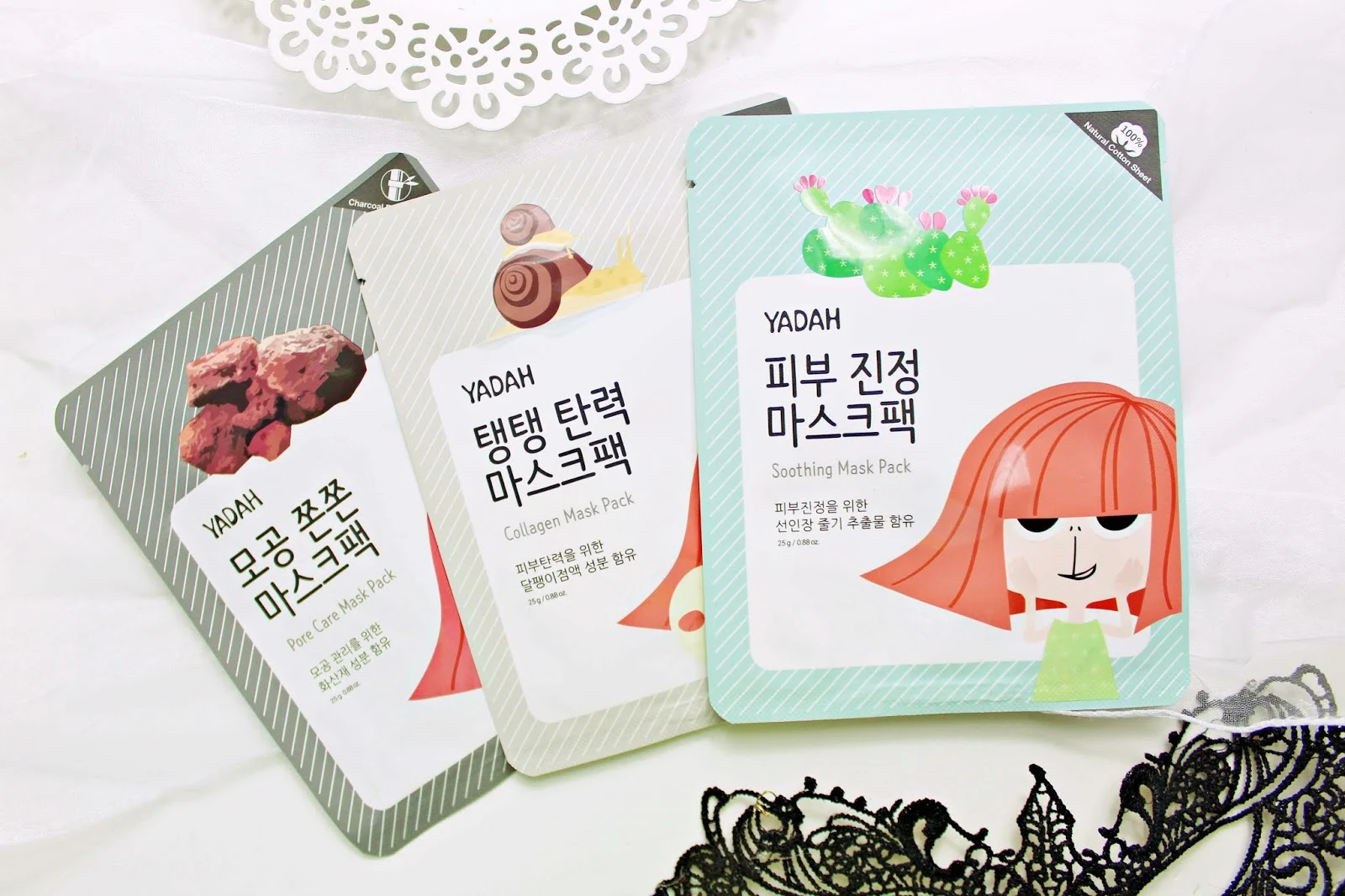
In the quest for radiant skin, manny beauty enthusiasts have turned to innovative solutions that go beyond conventional skincare. Among these, Korean face masks have gained immense popularity, consistently delivering remarkable results. As we step into 2026, the interest with these masks continues to grow, combining ancient beauty rituals with modern technology to unveil the secret to glowing skin.
The Rich Heritage of Korean Skincare
to understand the allure of korean face masks, it’s important to recognize their cultural importance. The South Korean beauty routine emphasizes hydration, nourishment, and protection, often featuring a multi-step regimen that integrates various products to achieve optimal skin health. Face masks, frequently enough a focal point, have been used for centuries, evolving from traditional homemade potions to advanced formulas filled with cutting-edge ingredients.
Emerging Trends in 2026
As we venture deeper into 2026,trends within the Korean face mask sphere are becoming more defined and results-driven. Here are some emerging facets that contribute to their effectiveness:
- Biodegradable materials: Many Korean brands are leading the way in sustainable beauty by adopting biodegradable substrates for their masks. This shift not only promotes environmental friendliness but also provides a gentler touch on the skin.
- Smart technology: Advanced technology is now embedded in certain masks, providing features such as heat and cooling elements that help maximize absorption of active ingredients. This innovation is transforming how masks are applied and perceived.
- Customized experiences: Personalization is key in 2026,allowing consumers to choose masks tailored to their unique skin concerns-be it hydration,anti-aging,or brightening.
Popular Ingredients to Look Out For
Korean face masks are renowned for their unique and potent ingredients, many of which are inspired by nature. Here are a few that have gained notoriety this year:
- Probiotics: Known for balancing the skin’s microbiome, probiotics in face masks can enhance skin elasticity and minimize the appearance of pores.
- Snail mucin: This classic ingredient, rich in hyaluronic acid and glycoprotein, aids in skin repair, hydration, and overall rejuvenation while offering a dewy finish.
- Green tea extract: With its high antioxidant content, green tea helps to protect skin from pollutants, soothe irritation, and brighten the complexion.
Incorporating Korean Face Masks into Your Skincare Routine
The versatility of Korean face masks makes them an easy addition to any skincare regimen. Whether you are looking for a weekly treatment or something to complement daily care, here are tips for incorporating these masks seamlessly:
- Frequency: Depending on your skin type, use hydrating sheet masks 2-3 times a week, while clay masks may be suitable for oily skin types once a week.
- Layering: For best results, use a Korean face mask after thorough cleansing and toning. This ensures that the active ingredients can effectively penetrate deeper layers of your skin.
- Follow-up routine: Always apply a moisturizer after masking to seal in the benefits and maintain hydration.
As Korean face masks evolve, they remain a cornerstone of effective skincare, blending tradition with innovative practices.The journey to luminous skin in 2026 is paved with these beautifully crafted treatments that not only promise aesthetic benefits but also self-care experiences.
Innovative Ingredients Revolutionizing Skincare
The skincare industry is constantly evolving, fueled by advancements in science, technology, and consumer demand for effective solutions. Today’s innovative ingredients are not just trends; they represent the future of skincare by addressing a variety of skin concerns. This article explores the cutting-edge ingredients that have emerged on the skincare scene and how they are making a important impact on beauty routines globally.
1. Probiotics: Balancing the skin Microbiome
Probiotics have become a buzzword in both nutrition and skincare. These live bacteria are known for their gut-health benefits, but their role in skincare is equally extraordinary. Probiotic skincare products aim to enhance the skin’s natural barrier, improve hydration, and decrease inflammation.
- Balancing Act: Probiotics help restore the natural balance of the skin microbiome, which can be disrupted by factors like stress, pollution, and harsh skincare products.
- Anti-Inflammatory Benefits: Many skincare products contain probiotic strains that specifically reduce redness and irritation, making them ideal for sensitive or acne-prone skin.
Brands such as Vichy and Lanolips have incorporated probiotics into their formulations to harness these benefits effectively.
2. Bakuchiol: The Natural Option to Retinol
Bakuchiol is a plant-derived ingredient that has gained popularity as a gentle alternative to retinol. Found in the seeds and leaves of the Babchi plant, bakuchiol delivers similar anti-aging benefits without the irritation commonly associated with retinoids.
- Age-Defying Power: Bakuchiol helps stimulate collagen production, reduce the appearance of fine lines and wrinkles, and improve skin elasticity.
- Safe for All Skin Types: Unlike traditional retinol, bakuchiol is suitable for sensitive skin and can be used during pregnancy, expanding its usability range.
Leading brands like OLEHENRIKSEN and Kiehl’s have adopted bakuchiol in their products, emphasizing its gentleness and efficacy.
3. Neuropeptides: Rewiring Skin Responses
Neuropeptides are a class of peptides that play a significant role in signaling between cells. In skincare, they are used to resolve various skin issues, from wrinkles to sagging skin.
- Smoothed Wrinkles: By communicating with skin cells to promote regeneration, neuropeptides help diminish the appearance of fine lines.
- Enhanced Firmness: These ingredients can lead to increased elasticity and firmness over time, resulting in a youthful complexion.
Brands like Drunk Elephant utilize neuropeptides in their formulations to enhance skin vitality and appearance.
4. Adaptogens: Stress-Reducing Agents for Skin
Adaptogens are naturally occurring compounds that help the body adapt to stress and promote balance. In skincare, adaptogens are used to soothe inflammation and enhance resilience.
- A Calming Influence: Ingredients such as ashwagandha and ginseng reduce redness and stress-induced breakouts.
- Boosts Hydration: They improve moisture retention, making skin look plumper and healthier.
brands focusing on natural skincare, like 100% Pure, have effectively integrated adaptogens to promote overall skin health.
5. Plant Stem Cells: revitalizing Skin
Plant stem cells are harvested from various botanicals and are prized for their regenerative properties due to their rich concentration of antioxidants and nutrients.
- Rejuvenating Properties: They help in the repair of damaged skin cells, reducing signs of aging.
- Increased Shelf Life: Products containing plant stem cells tend to have extended longevity, preserving their efficacy for longer periods.
Companies such as Algenist and OLEHENRIKSEN are leveraging these powerful ingredients to create transformative skincare solutions.
Conclusion
These innovative ingredients are changing the landscape of skincare, promising greater results, and addressing a variety of skin concerns. By incorporating these cutting-edge components into your routine, you can experience pronounced improvements in your skin’s overall health and appearance. stay tuned for the next section,where we will discuss how to incorporate masks seamlessly into your beauty regimen.
Step-by-Step Guide to Incorporating Masks into Your Routine
Incorporating face masks into your skincare routine can elevate your skin health and overall appearance. Whether you’re aiming for hydration, brightness, or anti-aging benefits, masks can complement your day-to-day regimen. Below, we present a complete, step-by-step guide to seamlessly integrate face masks into your skincare routine for the best results.
1. Determine Your Needs
Before diving into your mask routine, it’s crucial to understand your skin type and specific concerns. Are you dealing with dryness,acne,or signs of aging? Identifying your primary skincare goals will help you choose the right type of mask. Here’s how to break it down:
- For hydration: Look for masks with hyaluronic acid, glycerin, or aloe vera.
- For brightening: Choose masks infused with vitamin C, licorice extract, or niacinamide.
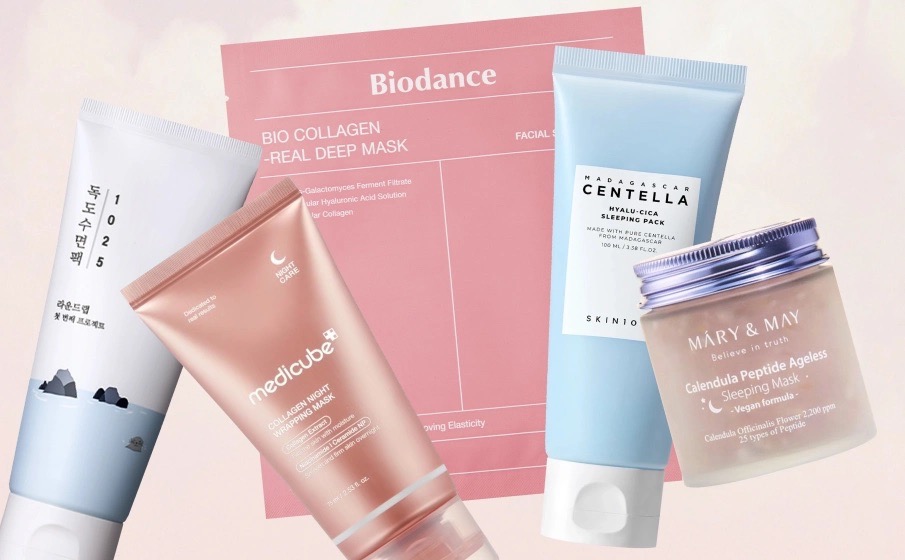
- For anti-aging: Consider collagen-based masks or those containing peptides.
- For acne treatment: Opt for clay or charcoal masks that help absorb excess oil.
2. Prep Your Skin
To maximize the benefits of your mask, preparing your skin is essential. Follow these steps:
- Cleansing: Start with a gentle cleanser to remove makeup,dirt,and oil. This ensures that the mask can penetrate better and deliver effective results.
- Exfoliating: If you’re using a peel-off or clay mask, exfoliating beforehand can help remove dead skin cells and enhance the absorption of active ingredients.
- Steaming: A brief steam session can open up your pores, allowing for better mask efficacy. If you don’t have a steamer,a warm towel placed on your face for a few minutes works just as effectively.
3. Applying the Mask
Application technique can influence how well a mask performs. here’s how to do it right:
- Use Clean Hands or Tools: Applying with clean fingers or a brush minimizes the risk of transferring bacteria to your skin.
- Even Application: Spread the mask in an even layer over your face, avoiding the eye area unless the product is specifically designed for that. A thin coat is often more effective then a thick layer.
- follow Directions: Always adhere to the recommended time specified on the product label.Leaving a mask on for too long won’t yield better results and can irritate your skin.
4. Relax & Let it Work
While the mask sits on your skin, take this time to unwind. Here are some ways to make the most of this waiting period:
- Hydrate: Drink water to maintain hydration levels in your body.
- practice Mindfulness: Use this opportunity for a short meditation session or to relax and relieve stress.
- Limit Distractions: avoid screens during this time to let your skin absorb all the benefits of the mask.
5. Rinse and Follow Up
Once the mask has set for the recommended time, it’s time to rinse:
- rinse Thoroughly: Use lukewarm water to rinse the mask off fully. Ensure no residue is left on your skin to prevent clogging pores.
- Pat Dry: Gently pat your face dry with a clean towel. Avoid rubbing, which can irritate sensitive skin.
- Moisturize: Complete your routine with a good moisturizer to lock in the benefits of the mask.
6. Frequency of Use
The optimal frequency depends on your skin type and the mask’s purpose:
- Hydrating Masks: Use 1-3 times a week.
- Detoxifying Masks: Apply 1-2 times a week to prevent over-drying.
- Brightening/Peel-off Masks: Restrict use to once a week to avoid skin irritation.
Incorporating face masks into your skincare routine doesn’t have to be complex. By understanding your needs, preparing correctly, and following these steps, you can enhance your skincare regimen considerably.
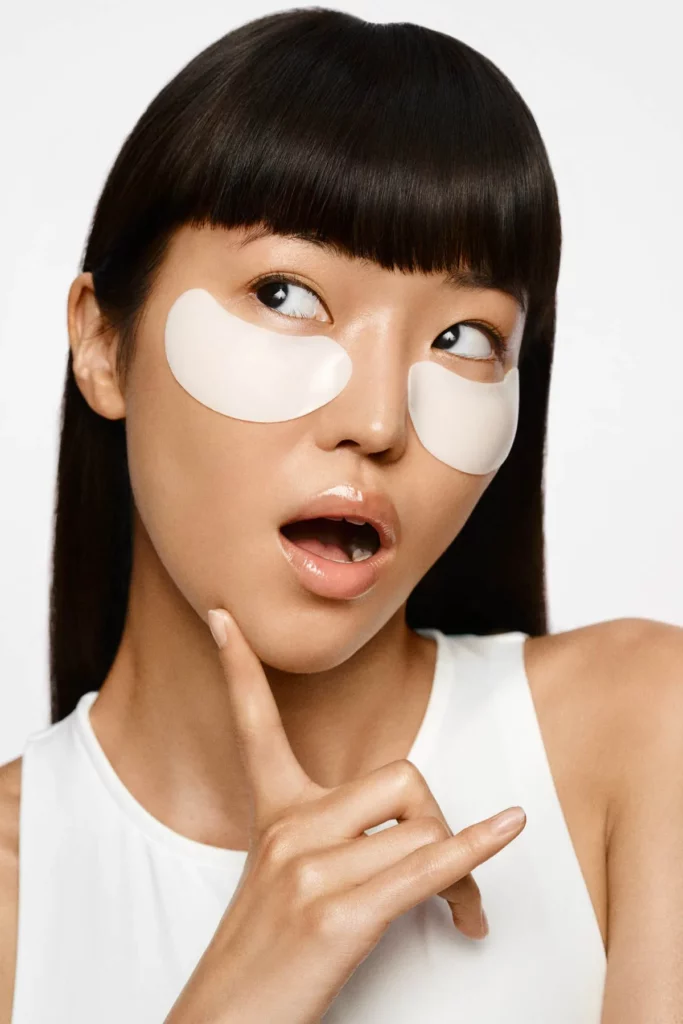
Choosing the Right Mask for Your skin Type
Finding the perfect mask for your skin type can be a transformative step in achieving glowing, healthy skin. With an overwhelming variety of choices available, understanding your skin’s unique needs is crucial for selecting the right formulation. Here, we delve into the characteristics of different skin types and how to choose a mask that caters to those specific needs, ensuring your skincare routine is both effective and enjoyable.
Understanding Your Skin Type
Before selecting a face mask,it’s essential to identify your skin type. the primary categories are:
- Oily Skin: Characterized by excess sebum production, leading to a shiny appearance and larger pores.
- dry Skin: Frequently enough feels tight, rough, or flaky due to a lack of moisture.
- Combination Skin: A mix of oily and dry areas, typically oily in the T-zone (forehead, nose, and chin) and dry on the cheeks.
- Sensitive Skin: Prone to redness, itching, or irritation, frequently enough reacting negatively to harsh ingredients.
Choosing the Right mask Based on Skin Type
1. Oily Skin
If you have oily skin, your goal is to control excess oil and minimize breakouts. Look for masks that contain:
- Charcoal: Known for its ability to extract impurities from the skin.
- Clay: Absorbs excess oil and unclogs pores; bentonite or kaolin clay are excellent choices.
- Salicylic Acid: Helps to prevent acne by exfoliating the skin and keeping pores clear.
2. Dry Skin
For those struggling with dry skin, hydration is key. Seek masks that feature:
- Hyaluronic Acid: A powerful humectant that draws moisture into the skin.
- Glycerin: Helps to lock in moisture and keep the skin soft and supple.
- Natural Oils: Ingredients like coconut oil or avocado oil nourish and hydrate dry patches.
3. Combination Skin
With combination skin, you might want to treat different areas differently. Consider the following:
- Multi-Masking: Use a clay-based mask on oily areas and a hydrating cream mask on dry patches.
- Gel Masks: Lightweight and hydrating, gel masks provide moisture without adding excess oil.
4. Sensitive Skin
If your skin is sensitive, you should prioritize calming and soothing ingredients. Select masks that include:
- aloe Vera: Known for its soothing properties, it helps to calm irritation and redness.
- Chamomile: A gentle ingredient that reduces inflammation and soothes the skin.
- Fragrance-Free Formulas: Always opt for masks that are free from synthetic fragrances to minimize the risk of irritation.
Innovative Approaches to Masking
As skincare evolves, several innovative masks are emerging that enrich traditional formulations. Ingredients such as probiotics and cannabis oil are gaining traction for their potential benefits:
- Probiotics: Help to balance the skin’s microbiome, promoting a healthier appearance.
- Cannabis Oil: Can provide calming effects and hydration, especially for sensitive or irritated skin.
Incorporating such innovative masks into your regime can offer heightened benefits tailored to your skin’s needs.
Final Tips for mask Selection
When choosing a mask, always examine the ingredient list for potential allergens or irritants. Additionally, consider performing a patch test for sensitive skin types. Regularly incorporating masks into your routine-ideally once a week-can help maximize your skincare efforts and yield lovely results over time.
Korean face masks have become a key component of skincare routines for their ability to deliver hydration, nourishment, and protection. In 2026, trends such as biodegradable materials, smart technology, and customization are enhancing their effectiveness. Popular ingredients like probiotics, snail mucin, and green tea extract contribute to skin health, tackling issues such as hydration, anti-aging, and irritation.
To incorporate face masks into your routine, first identify your skin type and specific needs, then prepare your skin through cleansing and exfoliating. Apply the mask evenly, relax during the application time, and follow up with a moisturizer to lock in benefits. For optimal results, use hydrating masks 1-3 times a week, and differentiate by skin type: clay masks for oily skin and gel masks for combination skin. Regular use can significantly improve skin health and appearance.